
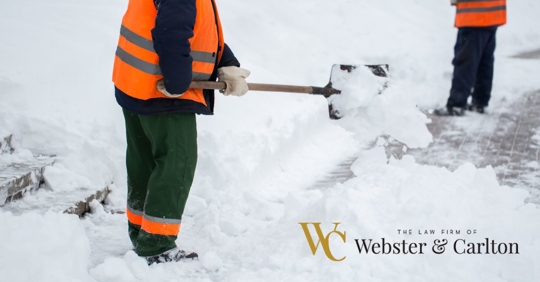
Winter weather in Missouri brings unique challenges for employees and employers. Snow, ice, freezing rain, and cold temperatures increase the risk of injuries and accidents on the job, especially for those working outdoors or in unheated environments. As the holiday season approaches and harsh weather conditions become more common, it’s critical for employers to understand their responsibilities to protect workers from these hazards.
Understanding the Risks of Winter Weather on the Job
Cold weather conditions can cause a range of workplace injuries, from slips and falls on icy surfaces to hypothermia and frostbite from prolonged exposure to the cold. According to health experts, common holiday and winter injuries include strains, sprains, fractures, and lower back injuries due to slips or improper lifting techniques aggravated by icy conditions.
These injuries not only cause physical harm but can also lead to lost wages, long recovery times, and potential workers’ compensation claims. Some injuries may be “invisible”, such as chronic pain or aggravation of existing conditions, which require particular attention from employers to recognize and address (internal source).
Employer Responsibilities Under Missouri Law
In Missouri, employers have a legal duty to provide a safe workplace, which includes protecting employees from foreseeable weather hazards. This duty is rooted in the Missouri Revised Statutes as well as federal OSHA regulations. Failure to take adequate precautions may expose employers to liability for workplace injuries. Here are some key employer responsibilities related to winter weather hazards.
Providing Adequate Training and Information
Employers must educate employees on the risks posed by winter conditions and train them in safe work practices, such as proper footwear for ice and snow and how to recognize signs of cold stress.
Maintaining Safe Work Environments
This includes timely snow and ice removal, application of salt or sand to walking and driving surfaces, and ensuring heated shelter or breaks in warm areas for outdoor workers.
Providing Proper Personal Protective Equipment (PPE)
Appropriate cold-weather gear, such as insulated gloves, hats, and thermal clothing, should be supplied, especially for workers exposed to prolonged cold.
Adjusting Work Schedules When Necessary
Employers should consider modifying shifts or allowing flexible breaks to reduce cold exposure, preventing injuries like frostbite or hypothermia.
Implementing Injury Prevention Programs
Safety plans and regular inspections help identify potential hazards early, preventing slips, falls, and other winter-related accidents.
The Impact of Lower Back Injuries During Winter
Winter conditions increase the risk of lower back injuries, which are among the most common workplace injuries. Ice and snow create hazardous walking conditions, leading to falls that can cause severe back trauma. Additionally, lifting heavy objects in cold muscles may cause strains or herniated discs (internal source).
Employers must be vigilant in enforcing safe lifting techniques and encouraging workers to warm up properly before physically demanding tasks, especially in cold environments. Providing ergonomic support and prompt medical attention can help reduce long-term disability and workers’ compensation claims.
Steps Employers Can Take to Minimize Winter Work Injuries
Employers can adopt several practical measures to protect their workforce during the winter season:
- Conduct regular safety audits focused on weather-related hazards.
- Ensure clear communication of weather alerts and related work adjustments.
- Promote a workplace culture that encourages reporting of unsafe conditions or early symptoms of cold-related illness.
- Establish emergency procedures for severe weather events.
- Collaborate with employees to develop safety protocols tailored to specific job functions.
Missouri Workers’ Compensation and Winter Injuries
If a worker is injured due to unsafe winter conditions on the job, they may be eligible for workers’ compensation benefits, which can cover medical expenses, lost wages, and rehabilitation costs. Understanding the nature of “invisible” injuries or chronic conditions stemming from winter hazards is important to ensure proper claims and treatment (internal source).
Employers should also be aware of their role in cooperating with workers’ compensation claims to facilitate timely care and avoid litigation.
Get the Legal Support You Deserve—Act Now!
Winter weather poses serious risks to employees, but proactive actions by employers can greatly reduce the chances of injury and create a safer work environment. Key steps include following safety regulations, providing appropriate equipment, and fostering a culture of awareness to prevent winter-related workplace accidents.
However, winter workplace injuries can still occur unexpectedly. With over 50 years of combined legal experience, Webster & Carlton is here to help you face these challenges.
Contact us today for a no-cost consultation via our online form or by calling (417) 545-3775 to ensure you’re protected this winter season.